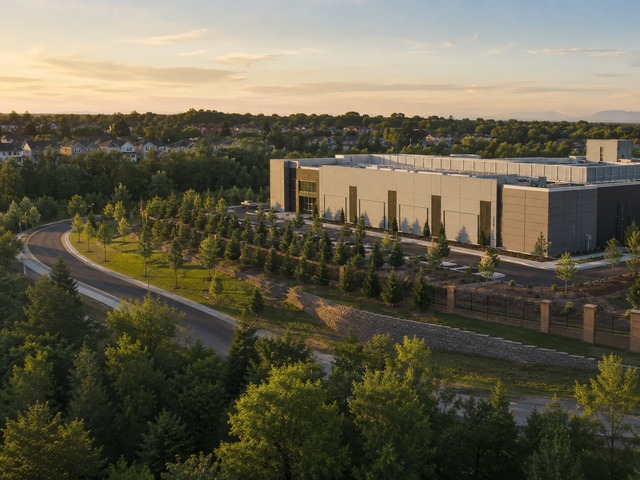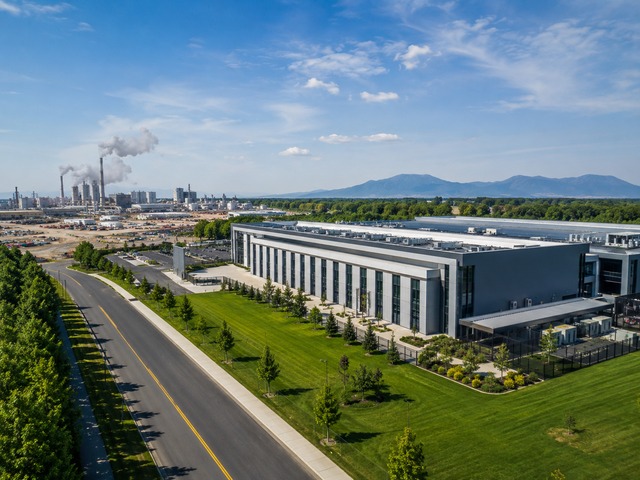
The electricity demand that large-scale data centers place on local and regional grids is one of the most discussed dimensions of data center development. The conversation often focuses on strain — the capacity pressure that large loads place on utilities and transmission systems. What receives less attention is the investment side: data center development is one of the primary drivers of grid infrastructure upgrades that benefit entire communities, not just the facilities themselves. Understanding both dimensions is essential for a complete picture of what data center development means for local and regional electricity infrastructure.
The Scale of Demand Growth
The electricity demand from data centers is growing rapidly. Research from Carnegie Mellon University projects that data center electricity demand will increase by 350 percent between 2020 and 2030, growing from approximately 4 percent to 9 percent of national consumption. The National League of Cities reports that AI-capable data center demand could grow by 22 percent annually, potentially reaching 219 gigawatts by 2030 compared to 60 gigawatts in 2024.
This demand growth is concentrated geographically. Virginia, Texas, and a handful of other states are experiencing the fastest growth in data center construction and the sharpest increases in commercial energy consumption. In these markets, the grid impact of data center development is not a future concern — it is a present operational reality that utilities, regulators, and transmission operators are actively managing.
The North American Electric Reliability Corporation has flagged resource adequacy concerns in multiple regions where data center growth is outpacing traditional utility planning frameworks. Traditional planning models assume gradual demand growth of 1 to 2 percent annually over multi-decade horizons. Localized growth rates of 20 to 30 percent annually from data center clusters challenge those frameworks and require accelerated planning and investment responses.
How Data Centers Fund Grid Upgrades
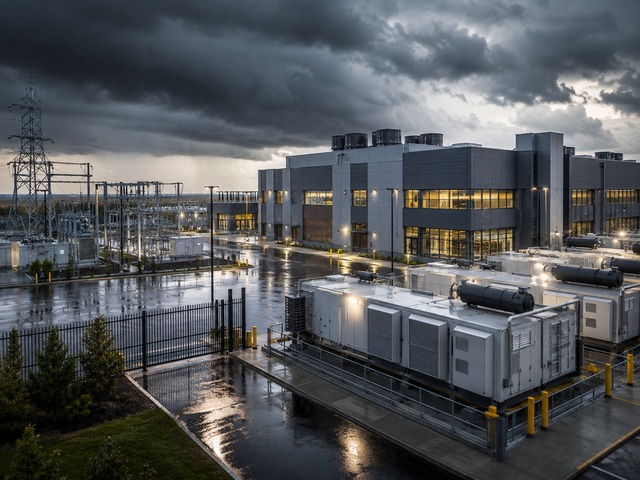
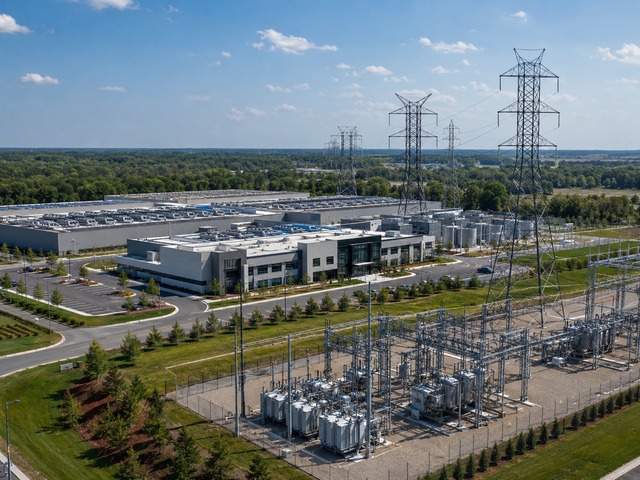
The most direct infrastructure benefit of data center development is the transmission and substation investment that large-load interconnections require. When a hyperscale data center connects to the grid, the utility must ensure that transmission capacity, substation infrastructure, and distribution equipment can deliver the required load reliably. This often requires capital investment in new substations, transformer capacity, and transmission line upgrades.
Critically, this investment is not limited in its benefit to the data center that triggered it. A new substation built to serve a hyperscale campus also provides capacity headroom for other commercial and industrial users in the surrounding area. Transmission upgrades that accommodate large data center loads improve grid reliability and reduce congestion for the entire region served by that infrastructure. The data center is the anchor load that justifies and funds the investment — but the infrastructure benefit is shared.
Cost allocation policies in most utility regulatory frameworks require that large new loads pay for the transmission upgrades required to serve them. Data center developers therefore directly fund substation and transmission infrastructure that improves regional grid capacity. This is a fundamentally different dynamic from residential development, which adds load to existing infrastructure without triggering the same level of upgrade investment.
Grid Reliability: The Demand Response Dimension
Data centers are traditionally considered inflexible loads — facilities that must operate continuously at high utilization to maintain service levels. This inflexibility means that data centers do not naturally participate in demand response programs that utilities use to manage peak loads.
However, this is beginning to change. Research cited in the CMU analysis suggests that even limited flexibility from data centers could provide significant system benefits. Some data center operators are exploring demand response participation that shifts non-critical computing workloads to off-peak periods, reducing peak demand on the grid when it is most constrained. Texas Senate Bill 6 requires new large loads, including data centers, to either curtail or utilize on-site generation during emergency grid conditions — a policy framework that formalizes the demand management role that large loads can play.
On-site generation is another dimension of grid reliability that data center development is advancing. Hyperscale facilities carry large backup generator fleets designed to maintain operations through grid outages. These generators represent dispatchable generation capacity that, in some regulatory frameworks, can be called upon to support grid reliability during emergencies. The on-site generation capacity of a major data center campus is not trivial — it can run to hundreds of megawatts of emergency capacity.
The Policy Context: Managing Costs and Benefits
The CMU research is direct about the policy challenges that rapid data center demand growth creates. Without proactive policy intervention, unconstrained demand growth under current market structures could increase wholesale electricity costs by 8 percent nationally and add significant carbon emissions as older, less efficient generation assets are retained to meet demand rather than retired on schedule.
These outcomes are not inevitable — they are the result of policy choices. States including Oregon, Utah, Illinois, and Texas are developing regulatory frameworks that require large loads to contribute proportionately to grid infrastructure costs, incentivize siting decisions that minimize grid stress, and establish demand flexibility requirements that improve system reliability.
Communities and landowners evaluating data center proposals should be aware that the policy environment around large-load interconnection is actively evolving. Data center developers who engage proactively with utilities, regulators, and communities on grid investment planning — rather than treating interconnection as a purely technical transaction — are better positioned to secure approvals, manage community relationships, and benefit from the infrastructure investments their development triggers.
Regional Benefits of Transmission Investment
The transmission and substation investments driven by data center development have measurable regional economic value. Improved grid infrastructure reduces transmission congestion costs that are ultimately borne by all ratepayers in the affected region. More reliable grid infrastructure reduces the frequency and duration of outages that affect homes and businesses. Additional substation capacity supports future development by other commercial and industrial users who benefit from the expanded infrastructure without having paid for it.
For rural communities in particular, the infrastructure investment associated with large-load interconnection can represent the first significant upgrade to local transmission infrastructure in decades. A hyperscale campus that triggers a new substation and transmission line upgrade may unlock development potential for other industrial users in the surrounding area that was previously constrained by infrastructure limitations.
Why This Matters
The grid investment story of data center development is more nuanced than the simple demand-and-strain narrative. Data centers drive demand that requires infrastructure response — but they also fund that infrastructure response directly, and the infrastructure they fund benefits the broader grid. Managing the growth of data center load requires proactive policy engagement, cost allocation frameworks that appropriately distribute infrastructure investment, and planning frameworks that can accommodate localized demand growth rates far higher than traditional utility models assume. Communities and regions that engage this challenge proactively — rather than reactively — position themselves to capture the economic benefits of data center investment while protecting ratepayers and maintaining grid reliability.
about
avada factory
Sempery ultricies nibh at dolor cras urna eleifend nec. Atiam efficitur tempor.