Data center development near residential areas generates more community engagement than almost any other industrial proposal. Residents worry about noise, light, traffic, visual impact, and property values. These concerns are legitimate and deserve serious responses — not dismissal. The good news is that modern data center design has developed a robust toolkit for addressing residential compatibility, and the evidence from operating facilities near residential areas consistently shows that well-designed data centers can be genuinely compatible neighbors when the design and operational standards are properly applied.
Setting the Design Standard: Compatibility by Design
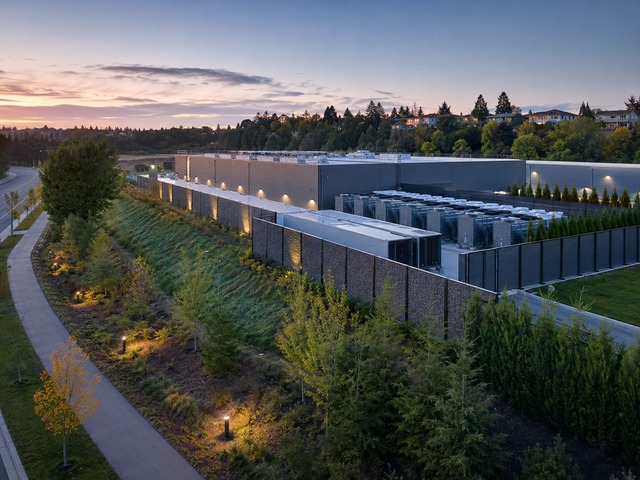
The starting point for residential compatibility is treating it as a design requirement, not an afterthought. Facilities designed with residential compatibility as a primary constraint look fundamentally different from facilities designed for pure operational efficiency. The difference shows in setbacks, landscaping, building orientation, equipment placement, lighting design, and the selection of operational technologies that minimize off-site impacts.
Microsoft’s noise fact sheet describes a design process that customizes equipment locations for each site to comply with legal and local zoning requirements. The company develops site-specific noise models before construction and collaborates with engineering teams and local authorities to understand and meet local noise regulations. This process does not produce a generic facility — it produces a facility designed to the specific constraints of its site, including the proximity and character of neighboring residential uses.
Setbacks and Buffers: Creating Physical Distance
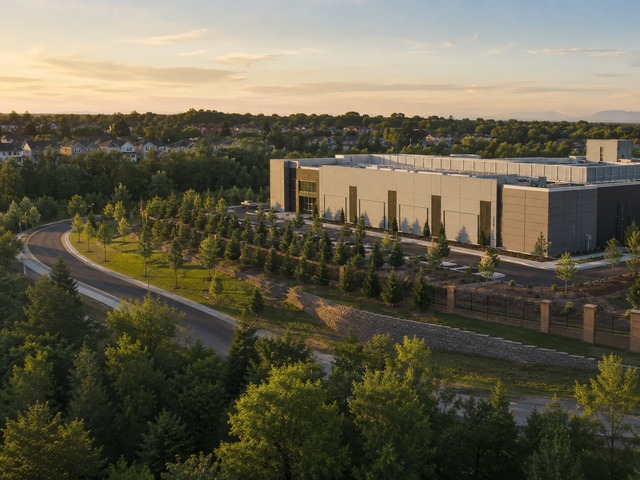
The most straightforward residential compatibility measure is physical separation. Adequate setbacks between data center structures and equipment on one side, and residential property lines on the other, provide the foundation for noise, light, and visual compatibility. Many jurisdictions with established data center siting frameworks specify minimum setbacks from residential uses, and major operators typically exceed these minimums as a matter of standard practice.
Setbacks work in combination with landscape buffers. Mature tree plantings, earthen berms, and dense shrub masses between a data center facility and adjacent residential areas provide visual screening, attenuate sound transmission, and create a physical and psychological buffer that reduces the perceived impact of the facility on neighbors. Landscaping that is designed and maintained at a high standard also communicates ongoing investment in community relationships — a facility that maintains its grounds sends a different message than one that lets landscaping deteriorate.
Microsoft notes that landscaping can screen mechanical equipment and outdoor storage areas to enhance the overall aesthetic quality of the facility. For residential neighbors, this matters — the visual character of the view from a residential property toward a data center facility directly affects the quality of life experience of living nearby.
Noise Management for Residential Contexts
Residential noise ordinances are typically more stringent than commercial or industrial standards. Nighttime limits in residential zones are often 10 to 15 decibels lower than daytime limits, reflecting the lower background noise levels and greater sensitivity of residents during sleeping hours. Data center cooling systems operate around the clock — which means noise management must address nighttime conditions, not just daytime operations.
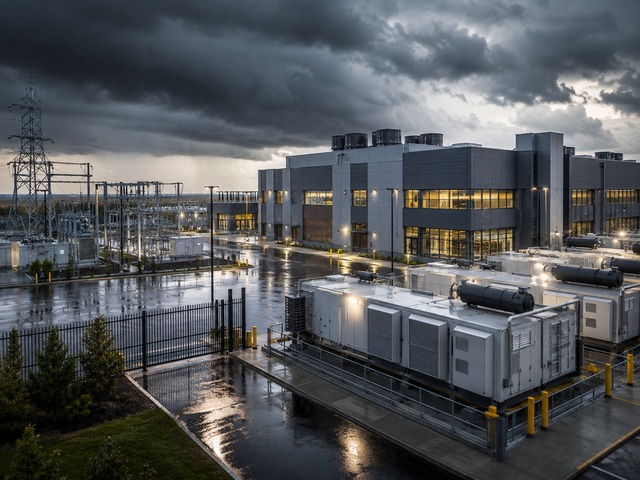
The engineering toolkit for residential noise management includes enclosures for generators and outdoor cooling equipment, sound barrier walls along property boundaries facing residential uses, selection of quieter equipment configurations, and operational protocols that schedule louder activities — generator testing, equipment maintenance — during daytime hours when noise limits are less restrictive and residents are more likely to be away from home.
Acoustic monitoring at property lines, with results shared with the community, provides ongoing verification that noise management measures are performing as designed. Some operators install permanent monitoring equipment as a condition of approval and commit to reporting requirements that give neighbors and local governments visibility into operational noise levels over time.
Light Management
Security lighting at data centers is extensive and necessarily continuous — these are high-security facilities with substantial perimeter and facility-area lighting requirements. Managing the off-site impact of that lighting on neighboring residential properties requires deliberate design choices.
Full cutoff luminaires — fixtures designed to direct all light downward and prevent upward or horizontal light scatter — minimize sky glow and light trespass onto neighboring properties. Fixture mounting heights, aiming angles, and shielding can be specified to meet residential-context lighting standards while maintaining security functionality. Lighting plans that are reviewed and conditioned as part of the permitting process give communities a mechanism to require residential-compatible lighting design before construction.
Traffic and Access Design
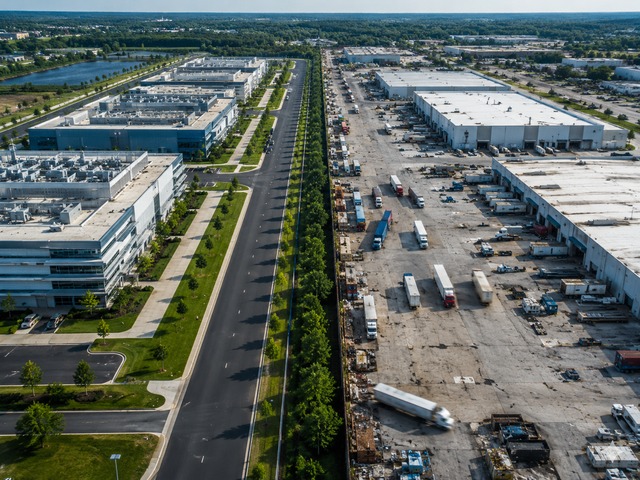
Data centers generate modest traffic — approximately 50 employees per building across a 24-hour period, plus occasional deliveries. But the routing of that traffic matters for residential compatibility. Access drives and parking areas that route facility traffic away from residential streets, and onto arterial roads designed to handle commercial traffic, reduce the residential impact of even modest vehicle volumes. Gate locations, parking area orientation, and access road design can all be specified to minimize the routing of facility traffic through residential neighborhoods.
Community Engagement as a Design Tool
The most effective residential compatibility strategy is early, substantive community engagement. When data center developers engage residential neighbors before submitting permit applications — explaining the project, presenting design solutions to anticipated concerns, and inviting input that can be incorporated into the design — the permitting process is faster, the resulting design is better, and the long-term community relationship is stronger.
Neighbors who feel heard and whose concerns have been addressed in the facility design are more likely to be neutral or supportive during public hearings, less likely to organize opposition campaigns, and more likely to maintain constructive relationships with facility operators over the long term. The investment in early community engagement pays dividends throughout the permitting process and the operational life of the facility.
Why This Matters
Residential proximity is not automatically disqualifying for data center development. Modern design tools, engineering standards, and community engagement practices make genuine residential compatibility achievable. Communities evaluating data center proposals near residential areas should focus on the specific design measures proposed, the track record of the operator, and the permit conditions that will govern ongoing operations — not on the category assumption that data centers and residential uses cannot coexist. The evidence from well-designed operating facilities says they can.
about
avada factory
Sempery ultricies nibh at dolor cras urna eleifend nec. Atiam efficitur tempor.